

September 20, 2017. I woke up to silence, which was wrong because Hurricane Maria had been screaming against my windows all night. The silence meant it had passed. I opened the front door and didn’t recognize my own street.
Trees were down everywhere. Roofing material from houses I couldn’t identify was scattered across the road. The air smelled like wet earth and something chemical. My neighbors were already outside, standing in their yards, looking at the sky like they were waiting for someone to explain what happened.
The power was out. It would stay out for three months.
The Routine That Collapsed
Before the hurricane, I had a wellness routine I was proud of. Morning meditation with a guided app. Journaling on my laptop. Yoga videos on YouTube. Affirmations I’d pull up on my phone. A gratitude tracker I’d built in a spreadsheet.
Every single piece of it required electricity.
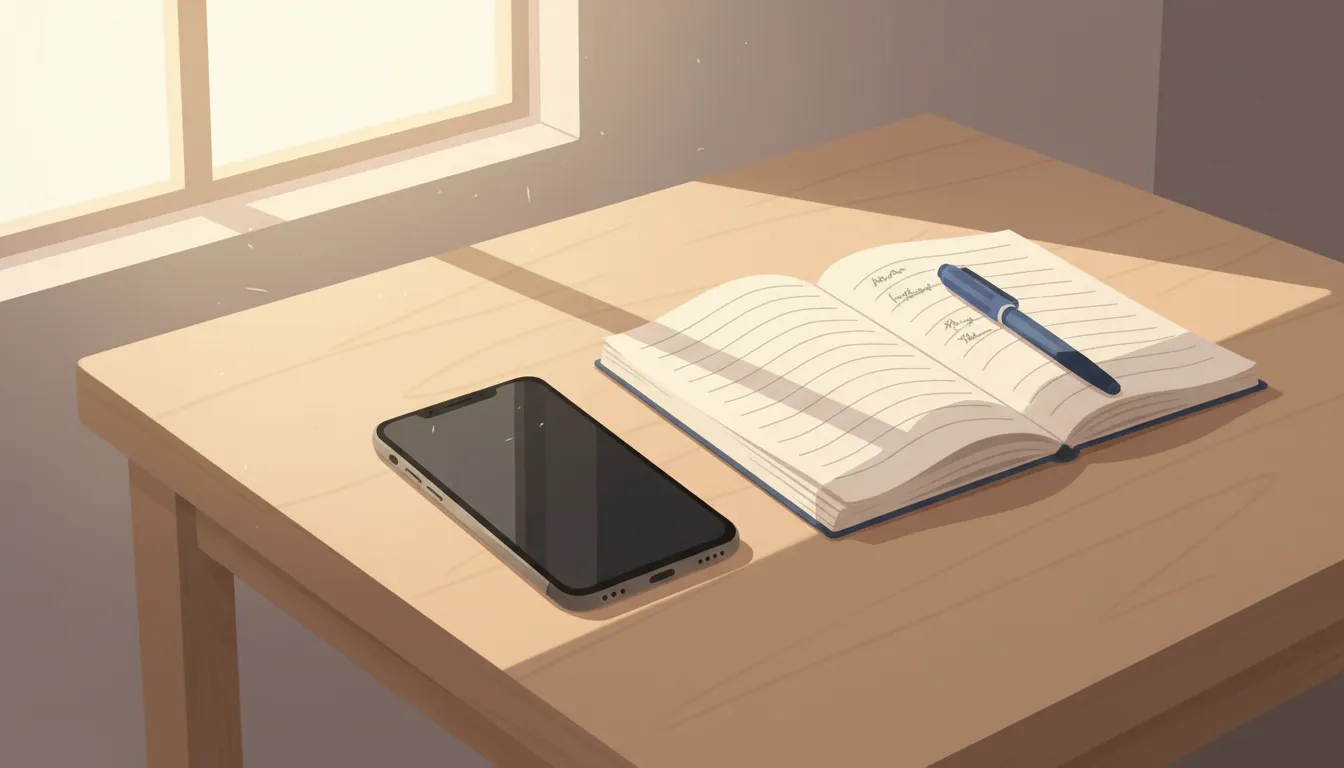
Within 48 hours, my phone was dead. Within a week, the gas stations with generators were running out of fuel. The internet was gone. The routine I’d spent months building disappeared overnight, and I realized something uncomfortable: I had built my entire wellness practice on top of infrastructure that could be taken away.
What Survived
A notebook. A pen. My own breath.
That was it. Those were the tools I had left. And those turned out to be the only tools I actually needed.
Every morning before sunrise (because without air conditioning, you learn to wake up early), I sat on my porch with a notebook and wrote three affirmations. Simple ones:
- I am capable of rebuilding.
- Good things are coming, even if I can’t see them yet.
- I have everything I need inside me right now.
I didn’t believe all of them. Especially the third one, because I very much needed electricity, clean water, and a paycheck that covered my debt. But I wrote them anyway. Every morning, for ninety days.
The Shift I Didn’t Expect
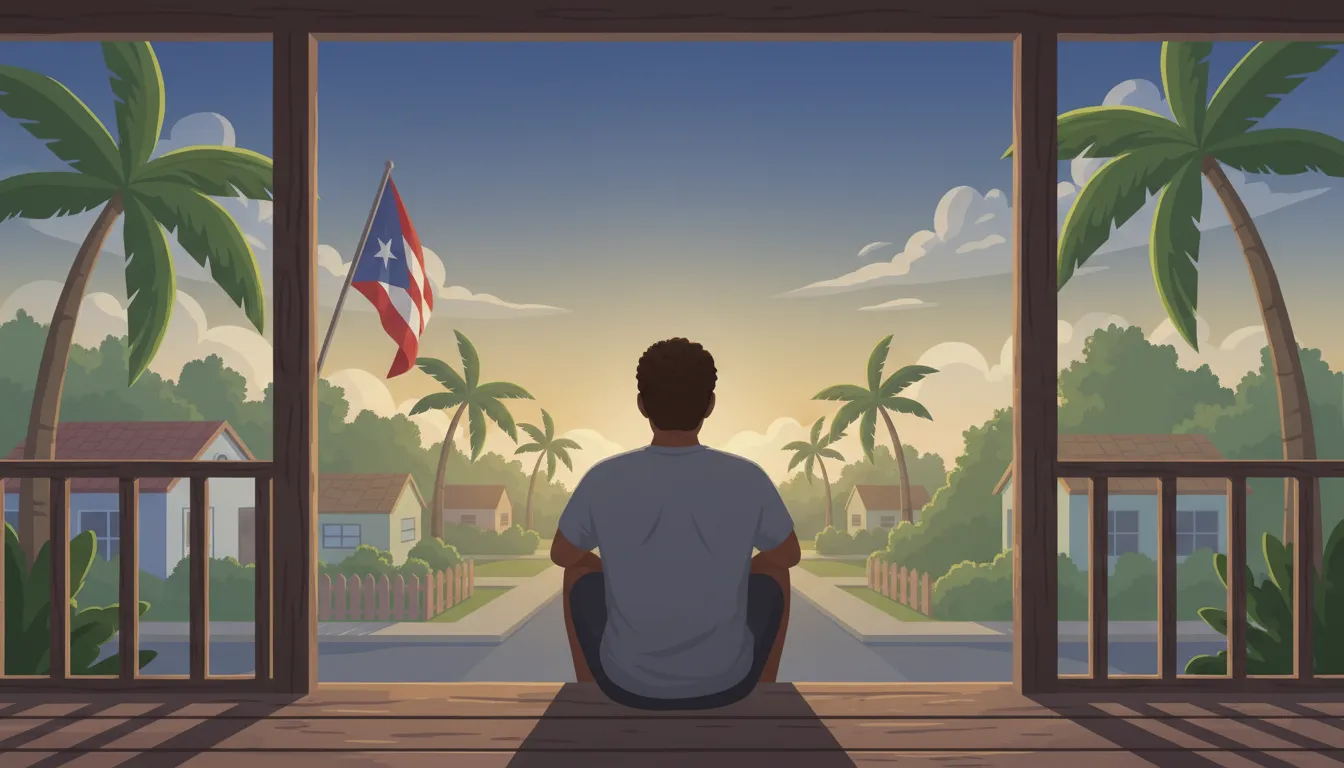
The affirmations didn’t change my circumstances. The power didn’t come back faster because I journaled. But something inside me shifted around week three.
I stopped waking up with dread as my first feeling. The mental loop of “everything is ruined” started losing its grip. I began noticing things I would have missed before: a neighbor sharing food, a sunset that made the whole street stop and look, a job listing I found at a community center that I never would have checked before the storm.
This is what the neuroscience of positive thinking actually looks like in practice. Your brain’s reticular activating system starts filtering for evidence that matches your stated beliefs. I was telling myself “good things are coming,” and slowly, my brain started pointing them out.
The 369 Practice
About a month into the blackout, I started structuring my affirmations using the 369 method. Three repetitions in the morning. Six at midday (I’d take a break from work and sit in my car, the only quiet space I had). Nine before bed, by candlelight.
I focused on two things: financial stability and career growth. The engineering job I had wasn’t covering my debt, and after Maria, the financial pressure became unbearable. For three months straight, the same affirmation filled my notebook, something along the lines of: “I am moving into work that values me and pays me what I’m worth.”
Three months later, a software engineering role came through that paid significantly more. I won’t claim the journal caused the job offer. But without the daily practice, I don’t think I would have had the clarity or confidence to pursue it. I was deep in survival mode. The affirmations pulled me out just enough to see forward instead of just looking down.
What I Actually Learned
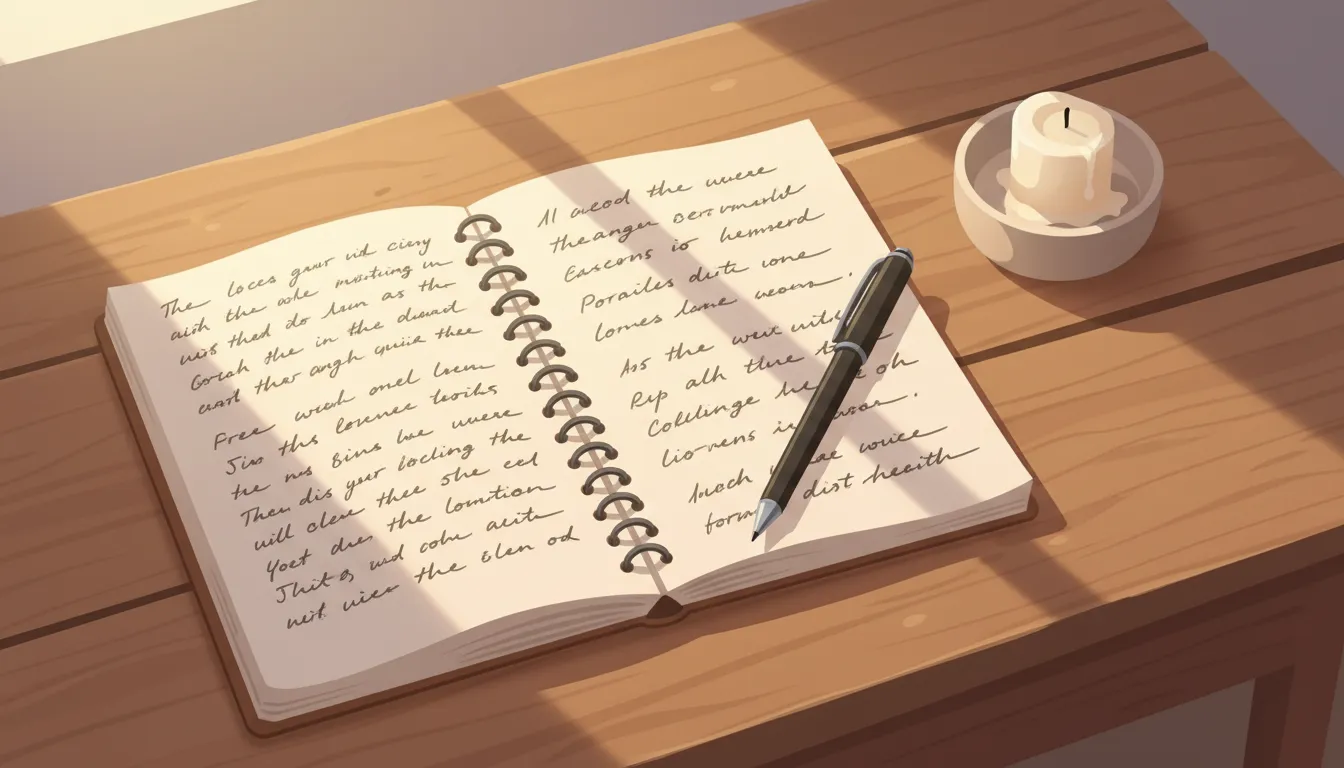
Here’s what three months without power taught me about wellness, stripped down to what actually matters.
Most wellness advice is built for comfort. Meditation apps, smart journals, habit trackers, curated playlists for your morning routine. All useful. All useless without a charged battery. The practices that survive a crisis are the ones that need nothing but you.
Simplicity compounds. Three affirmations, written by hand, every morning. That was my entire practice for ninety days. No variety, no optimization, no apps. And it produced the most significant mindset shift I’ve experienced in my life. I wrote more about building a routine that actually survives real life based on what I learned during this period.
Consistency beats intensity, every time. I never meditated for more than ten minutes during those months. My meditation practice was basic: sit, breathe, notice thoughts, come back. Five minutes most days. But I did it every single day because there was nothing else competing for my attention. The cumulative effect was enormous.
“You don’t need the perfect conditions to start. You just need a notebook and the willingness to show up.”
Your worst days are the real test. On the days when I didn’t want to write, when the heat was unbearable and the uncertainty was crushing, those were the days the practice mattered most. Not because the affirmations magically fixed anything, but because the act of sitting down and choosing my first thoughts for the day was the one thing I could still control.
Why I Build Apps Now
After the power came back and life gradually returned to something resembling normal, I started thinking about how to share what I’d learned. The irony wasn’t lost on me: the practices that saved me needed no technology, but technology could help people find and sustain those practices before a crisis forces them to.

That’s why I built Believe, Better Tomorrow, and Monea. Each one is designed around a practice that works on paper, with a pen, in the dark. The apps make it easier to start and stay consistent when you have the luxury of electricity and a charged phone.
The Point
I’m not going to frame Hurricane Maria as a gift or claim that suffering builds character. It was devastating. People lost their homes, their livelihoods, their lives. I was lucky.
But I can tell you that the things I learned about wellness during those three months, sitting on a dark porch with a notebook, have stayed with me longer than anything I ever learned from an app, a book, or an article.
The perfect setup is unnecessary. The right tools are optional. What you need is a practice simple enough to survive your hardest days, and the stubbornness to keep showing up for it.
That’s the whole thing. Everything else is extra.